
Doctorhub360.com Neurological Diseases resources provide clear, patient-focused information on conditions affecting the brain, spinal cord, nerves, and muscles, helping individuals understand symptoms, causes, diagnosis, treatment options, and long-term care strategies with confidence.
Doctorhub360.com neurological diseases resources are designed to simplify medical knowledge while maintaining accuracy. By combining expert insights, digital healthcare advancements, and lifestyle guidance, DoctorHub360 helps patients and caregivers understand neurological conditions and manage them with confidence.
This detailed guide explores neurological diseases in depth, covering definitions, types, causes, symptoms, diagnosis, treatment options, prevention strategies, and the growing role of technology in neurological care.
Understanding Neurological Diseases
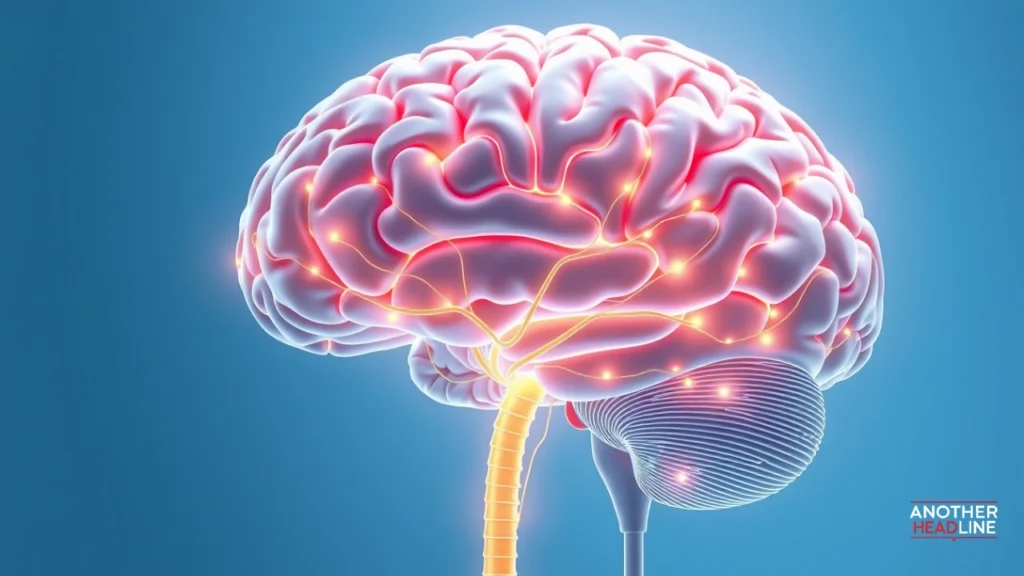
Neurological diseases are disorders that affect the central and peripheral nervous systems, including:
Also Read


- Brain
- Spinal cord
- Peripheral nerves
- Neuromuscular junctions
- Muscles
These conditions may develop suddenly (such as stroke or head injury) or progress gradually over years, often becoming chronic.
Common Neurological Conditions Include:
- Alzheimer’s disease
- Parkinson’s disease
- Multiple sclerosis (MS)
- Epilepsy
- Migraines
- Stroke-related disorders
- Neuromuscular diseases
Doctorhub360.com neurological diseases content focuses on explaining these conditions in simple language, helping readers understand symptoms and care pathways without overwhelming medical jargon.
What Are Neurological and Neuromuscular Diseases?
Although often grouped together, neurological and neuromuscular diseases affect different parts of the nervous system.
Neurological Diseases:
- Impact brain and nerve function
- Affect cognition, sensation, movement, or coordination
- Examples:
- Alzheimer’s disease
- Epilepsy
- Migraines
- Parkinson’s disease
Neuromuscular Diseases:
- Affect communication between nerves and muscles
- Primarily cause muscle weakness or loss of muscle control
- Examples:
- Muscular dystrophy
- Myasthenia gravis
- Amyotrophic lateral sclerosis (ALS)
DoctorHub360 neurological diseases resources clearly explain these differences, helping patients recognize symptoms early and seek appropriate medical evaluation.
Common Types of Neurological Diseases
Alzheimer’s Disease
A progressive neurodegenerative disorder that affects memory, thinking, and behavior.
Key Features:
- Gradual memory loss
- Difficulty with problem-solving
- Personality and behavior changes
- Loss of daily functioning in advanced stages
Early diagnosis allows better symptom management and planning, significantly improving quality of life.
Parkinson’s Disease
A movement disorder caused by reduced dopamine production in the brain.
Common Symptoms:
- Tremors
- Muscle stiffness
- Slowed movements
- Balance problems
Treatment focuses on symptom control, physical activity, and maintaining independence for as long as possible.
Multiple Sclerosis (MS)
An autoimmune condition where the immune system attacks nerve coverings.
Symptoms May Include:
- Fatigue
- Vision problems
- Muscle weakness
- Balance and coordination issues
Disease-modifying therapies can slow progression and reduce flare-ups.
Epilepsy
A neurological disorder characterized by recurrent seizures caused by abnormal electrical activity in the brain.
Management Options:
- Anti-seizure medications
- Lifestyle adjustments
- Surgical intervention (in selected cases)
Many individuals with epilepsy live full, active lives with proper treatment.
Migraines
A neurological condition involving severe headaches and sensory disturbances.
Common Triggers:
- Stress
- Hormonal changes
- Certain foods
- Sleep disturbances
Treatment includes preventive medications, trigger management, and lifestyle modifications.
Causes and Risk Factors of Neurological Diseases
Neurological disorders often develop due to a combination of genetic, environmental, and lifestyle influences.
Common Causes:
- Genetic mutations
- Autoimmune reactions
- Brain injuries or trauma
- Infections affecting the nervous system
- Poor blood circulation to the brain
Major Risk Factors:
- Aging
- Family history
- Chronic stress
- Poor nutrition
- Physical inactivity
- Smoking and excessive alcohol use
Doctorhub360.com neurological diseases guides emphasize early lifestyle changes to reduce modifiable risks and support long-term brain health.
Symptoms of Neurological Diseases
Symptoms vary depending on which part of the nervous system is affected.
Common Warning Signs:
- Persistent or severe headaches
- Memory loss or confusion
- Muscle weakness or paralysis
- Loss of balance or coordination
- Numbness or tingling
- Vision or speech difficulties
Early symptom recognition is critical. DoctorHub360 neurological diseases resources encourage timely medical evaluation to prevent complications and slow disease progression.
Diagnosis of Neurological Diseases
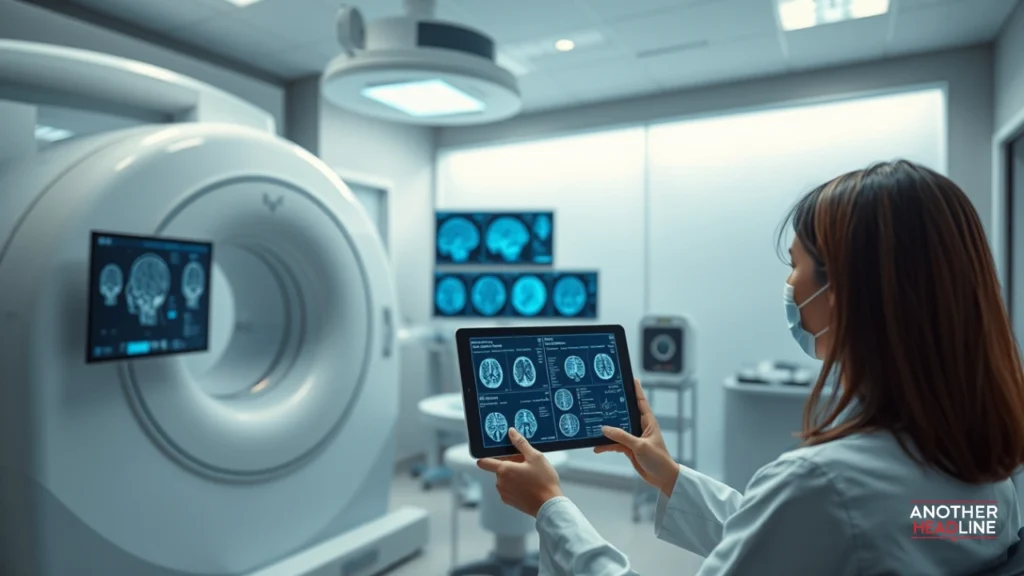
Accurate diagnosis often requires a combination of medical history, physical examination, and advanced testing.
Common Diagnostic Methods:
- MRI and CT scans for brain imaging
- EEG to detect abnormal brain activity
- EMG for neuromuscular evaluation
- Blood tests to detect infections or autoimmune markers
- Cerebrospinal fluid (CSF) analysis
DoctorHub360 explains these procedures in patient-friendly language, reducing anxiety and helping individuals understand what to expect.
Treatment Options for Neurological Diseases
While many neurological diseases do not yet have a cure, treatments focus on symptom control, slowing disease progression, and improving quality of life.
Common Treatment Approaches:
- Medications (anti-seizure drugs, dopamine therapy, immunomodulators)
- Physical and occupational therapy
- Speech and cognitive rehabilitation
- Surgical interventions (when appropriate)
- Lifestyle and dietary adjustments
Doctorhub360.com neurological diseases content promotes personalized care plans rather than generic treatment strategies.
Latest Treatments and Innovations in Neurological Care
Medical research continues to transform neurological healthcare.
Emerging Innovations:
- AI-assisted diagnostic tools
- Neurostimulation therapies
- Precision medicine based on genetics
- Digital symptom tracking apps
- Wearable monitoring devices
DoctorHub360 keeps readers informed about these advancements, helping patients stay updated on evolving treatment possibilities.
How Technology Is Changing Doctorhub360.com Neurological Diseases Care
Technology plays a crucial role in modern neurological management.
Key Technology-Driven Improvements:
- Telemedicine: Expands access to neurologists, especially in remote areas
- Early Detection: AI tools identify disease markers sooner
- Digital Health Records: Improve care coordination and reduce delays
- Remote Monitoring: Helps track symptoms and treatment effectiveness
DoctorHub360 highlights how digital health tools are improving outcomes and patient engagement.
Preventing and Reducing the Risk of Neurological Diseases
Not all neurological diseases are preventable, but healthy habits can significantly reduce risk.
Prevention Strategies:
- Regular physical activity
- Brain-healthy diets rich in omega-3s and antioxidants
- Stress management techniques
- Adequate sleep
- Avoiding smoking and excessive alcohol consumption
Doctorhub360.com neurological diseases articles emphasize prevention as a long-term commitment rather than a short-term fix.
Living With a Neurological Condition
Managing a neurological disorder extends beyond medical treatment.
Key Aspects of Daily Living:
- Emotional Health: Mental health support helps patients cope with chronic conditions
- Caregiver Support: Education and guidance empower caregivers
- Work & Independence: Assistive devices and flexible work options improve quality of life
- Community Support: Peer groups reduce isolation and promote emotional well-being
DoctorHub360 adopts a compassionate, patient-centered approach that addresses real-world challenges.
Why Choose DoctorHub360.com for Neurological Diseases Information?
DoctorHub360 stands out by offering:
- Reliable, evidence-based medical insights
- Technology-driven healthcare education
- Clear, easy-to-read explanations
- Holistic support for patients and caregivers
Unlike platforms that focus only on symptoms or technology, Doctorhub360.com neurological diseases resources integrate medical care, lifestyle guidance, and digital innovation.
Conclusion
Neurological diseases are complex conditions that affect millions of people worldwide, influencing daily life, independence, and long-term health. Doctorhub360.com neurological diseases resources provide a balanced, patient-focused approach by combining medical expertise, modern technology, and compassionate guidance.
By covering causes, symptoms, diagnosis, treatment, prevention, and lifestyle support, DoctorHub360 empowers patients and caregivers to make informed decisions and manage neurological conditions more effectively.