

In an era defined by rapid technological growth and cultural transformation, few practices manage to preserve heritage while embracing change. Jememôtre stands out as one such phenomenon. It exists at the intersection of history and innovation, offering a meaningful bridge between ancestral wisdom and contemporary lifestyles.
Jememôtre is more than a cultural tradition—it is a living system of expression, memory, and adaptation. As societies modernize, Jememôtre evolves alongside them, proving that tradition does not need to remain static to remain authentic.
What Is Jememôtre?
Jememôtre is a culturally rooted practice that blends ritual, community interaction, and symbolic expression. While its exact form varies by region, its purpose remains consistent: to connect people to shared identity and collective memory.
Core Characteristics of Jememôtre
- A cultural framework, not a single ritual
- Deeply tied to community participation
- Expressed through:
- Music and rhythm
- Movement and dance
- Oral storytelling
- Symbolic art and performance
- Emphasizes continuity between generations
- Balances heritage preservation with creative reinterpretation
Rather than existing as a rigid tradition, Jememôtre adapts fluidly, allowing each generation to add its voice while respecting its roots.
Also Read


Jememôtre and the Shift Toward Modernity

As societies transitioned into industrial and post-industrial eras, Jememôtre faced a critical challenge: adapt or fade.
Key Adaptations Over Time
- Shift from rural-only settings to urban environments
- Reduced reliance on fixed ceremonial calendars
- Inclusion of:
- Contemporary music styles
- Digital media
- Visual storytelling
- Greater emphasis on personal expression
Rather than resisting change, Jememôtre absorbed modern elements, transforming itself into a hybrid cultural form.
The Historical Foundations of Jememôtre
The origins of Jememôtre can be traced back centuries, emerging from indigenous customs shaped by social, spiritual, and communal needs.
Historical Evolution
- Began as a communal bonding practice
- Served as a method of:
- Passing down knowledge
- Preserving oral history
- Reinforcing shared values
- Influenced over time by:
- Migration
- Trade
- Colonial encounters
- Gradually absorbed external ideas without losing its core identity
In early forms, Jememôtre was practiced during seasonal events, rites of passage, and moments of collective significance. Elders played a central role, acting as custodians of tradition and interpreters of meaning.
Modern-Day Practices of Jememôtre
Today, its exists in multiple forms, ranging from traditional ceremonies to experimental artistic expressions.
Contemporary Expressions Include:
- Community workshops
- Teaching symbolic movements
- Explaining historical context
- Festivals and exhibitions
- Fusion performances
- Cross-cultural collaborations
- Digital Jememôtre
- Livestreamed rituals
- Online storytelling spaces
- Educational spaces
- Cultural seminars
- Academic discussions
Modern practitioners often reinterpret Jememôtre to reflect present-day concerns such as identity, belonging, and cultural resilience.
Social and Cultural Impact of Jememôtre
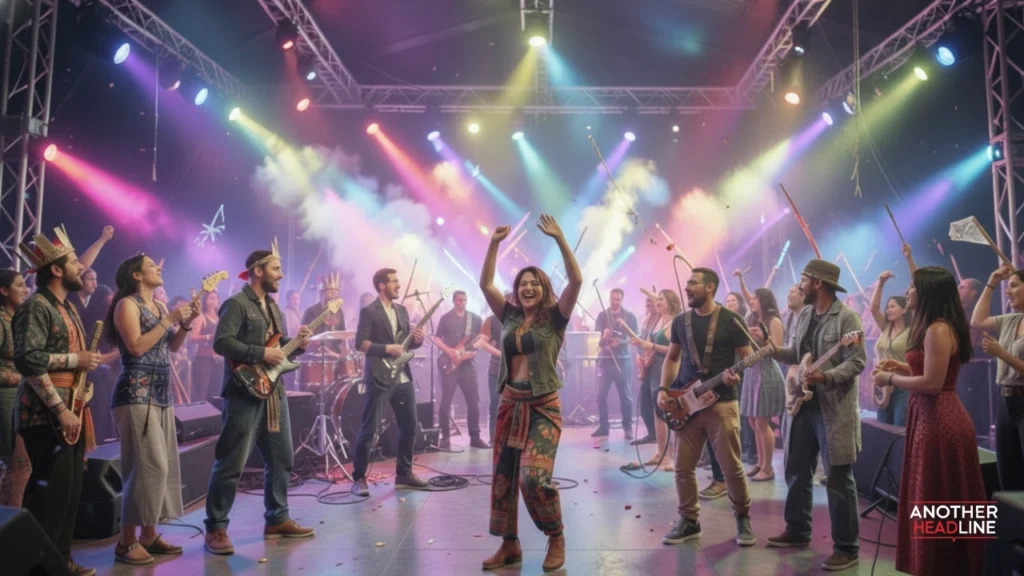
Its plays a significant role in shaping social relationships and cultural awareness.
Social Contributions
- Encourages intergenerational dialogue
- Strengthens community cohesion
- Promotes:
- Cultural pride
- Mutual respect
- Collective participation
- Acts as a platform for:
- Social commentary
- Creative resistance
- Emotional expression
By creating shared experiences, Jememôtre fosters unity in diverse social settings.
Jememôtre in a Global Context
As global connectivity increases, Jememôtre has crossed geographical boundaries, influencing and being influenced by other cultures.
Cross-Cultural Influence
- Adopted as inspiration in:
- Contemporary dance
- Visual arts
- Performance theater
- Incorporated into:
- Cultural exchange programs
- International festivals
- Studied within:
- Anthropology
- Cultural studies
- Modern art discourse
This cultural exchange has led to creative reinterpretations while sparking important discussions about ownership and authenticity.
Criticisms and Controversies
Despite its adaptability, Jememôtre has not escaped criticism.
Common Concerns
- Loss of authenticity
- Traditionalists argue modern versions weaken original meaning
- Commercialization
- Fear of cultural exploitation for profit
- Cultural appropriation
- Use by outsiders without understanding context
- Digital oversimplification
- Social media reducing depth into trends
These debates highlight the tension between preservation and evolution—an issue faced by many cultural traditions worldwide.
Technology’s Role in Preserving Jememôtre
While technology has sparked controversy, it also plays a vital role in preservation.
Positive Technological Impacts
- Digital archives of performances
- Online learning resources
- Global networking among practitioners
- Documentation of endangered variations
Rather than replacing tradition, technology acts as a support system—ensuring Jememôtre remains accessible and documented for future generations.
The Future of Jememôtre in a Globalized World
The future of Jememôtre depends on balance—honoring roots while allowing innovation.
What Lies Ahead
- Increased youth involvement
- Stronger global collaborations
- Hybrid forms blending:
- Tradition
- Activism
- Digital creativity
- Continued dialogue around ethics and authenticity
As younger generations reinterpret Jememôtre through modern lenses, the practice is likely to become more diverse, expressive, and globally relevant.
Why Jememôtre Still Matters
Its reminds us that culture is not static. It evolves, responds, and adapts—just like the people who carry it forward.
Its Enduring Value
- Preserves collective memory
- Encourages creative freedom
- Builds bridges between past and present
- Reinforces cultural identity in changing times
In a rapidly shifting world, and offers grounding—a reminder that progress and tradition can coexist meaningfully.
Conclusion
Jememôtre represents the delicate yet powerful balance between heritage and modern life. Rooted in history yet alive in contemporary expression, it continues to shape identities, inspire creativity, and foster connection across generations and cultures.
While debates around authenticity and commercialization persist, they also reflect Jememôtre’s relevance in today’s world. A tradition worth debating is a tradition still alive.
As globalization accelerates, Jememôtre’s adaptability ensures it will not only survive but thrive—evolving as a symbol of cultural resilience, creativity, and continuity.