
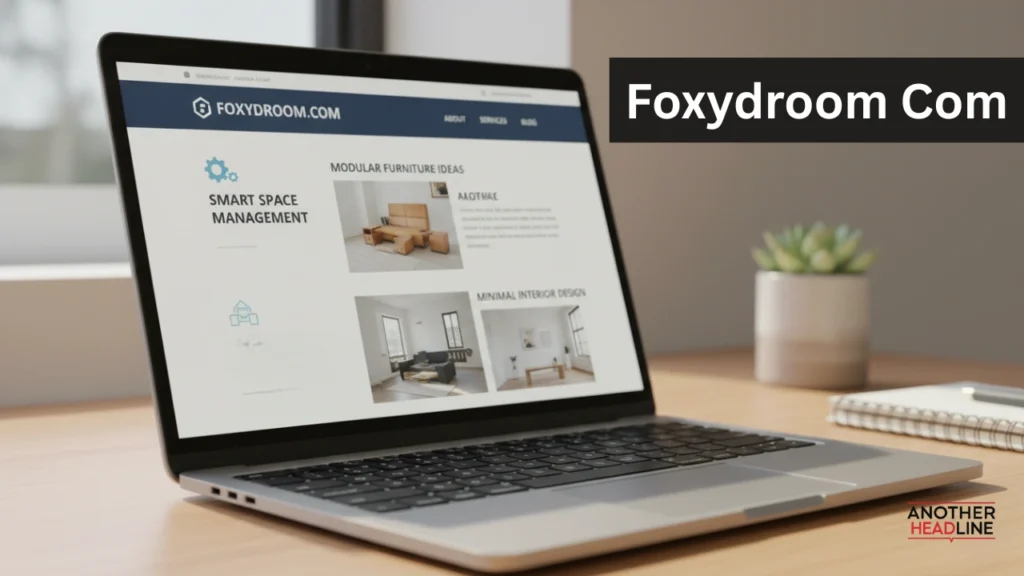
Modern living spaces are getting smaller, especially in urban environments. Whether you live in a studio apartment or a compact home, managing space efficiently has become more important than ever. Foxydroom com focuses on helping people transform limited areas into functional, comfortable, and visually appealing spaces without major renovations.
This guide explains how you can rethink your home layout, use smart furniture, and apply practical techniques to make your space feel bigger and more organized. The goal is simple: make every inch of your home useful.
Understanding The Foxydroom Com Philosophy
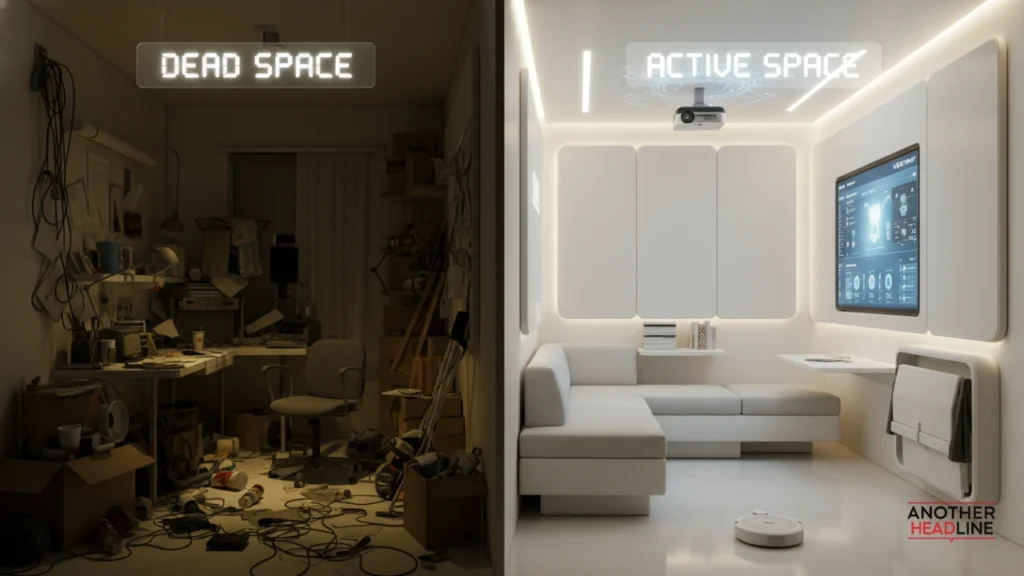
The core idea behind Foxydroom com is that space should be active, not passive. Many homes have areas that are unused or underutilized, such as corners, walls, or spaces under furniture.
Instead of seeing a room as fixed, this approach encourages you to think of it as flexible and adaptable.
Also Read


Key concepts include:
- Every area should serve at least one purpose
- Furniture should support multiple uses
- Visual clutter should be minimized
- Layout should adapt to daily activities
For example:
- A living room can also become a workspace
- A bed can include storage underneath
- A wall can function as both decor and storage
This mindset helps you maximize your home without needing more square footage.
Why Small Space Optimization Matters
Living in a cluttered or poorly designed space can affect your mental and emotional well-being. When your environment feels crowded, your brain works harder to process everything around you.
Benefits of optimizing your space:
- Reduces stress and mental fatigue
- Improves focus and productivity
- Makes cleaning easier
- Enhances comfort and relaxation
- Creates a more visually pleasing home
A well-organized space does not just look better—it feels better too.
Key Principles Of Smarter Space Management
To make your home more efficient, you need to follow a few important design principles.
1. Use Vertical Space
Most people ignore the upper parts of their walls.
Smart ideas:
- Install tall shelves or cabinets
- Use wall-mounted storage units
- Hang items like bikes or decor
- Add overhead storage in kitchens
Benefits:
- Frees up floor space
- Keeps items organized
- Makes the room feel taller
2. Choose Multi-Functional Furniture
Furniture that serves more than one purpose is essential for small spaces.
Examples:
- Sofa beds for guests
- Foldable dining tables
- Storage ottomans
- Beds with drawers
Why it works:
- Reduces the number of items in a room
- Saves space
- Adds flexibility to your layout
3. Keep Furniture Elevated
Furniture with visible legs creates a sense of openness.
Benefits:
- Makes the room feel less crowded
- Allows light to flow under furniture
- Improves visual depth
Avoid bulky furniture that sits directly on the floor.
4. Use Light And Reflection
Lighting plays a big role in how large a space feels.
Tips:
- Use multiple light sources instead of one
- Place mirrors opposite windows
- Use soft lighting for warmth
- Add LED strips for depth
Result:
- Brighter rooms
- More open feel
- Better mood
5. Maintain Visual Simplicity
Clutter can quickly make a small space feel even smaller.
Simple strategies:
- Keep surfaces clean
- Use hidden storage
- Limit decorative items
- Stick to a consistent color palette
A clean look helps your mind relax.
Step-By-Step Guide To Optimize Your Space
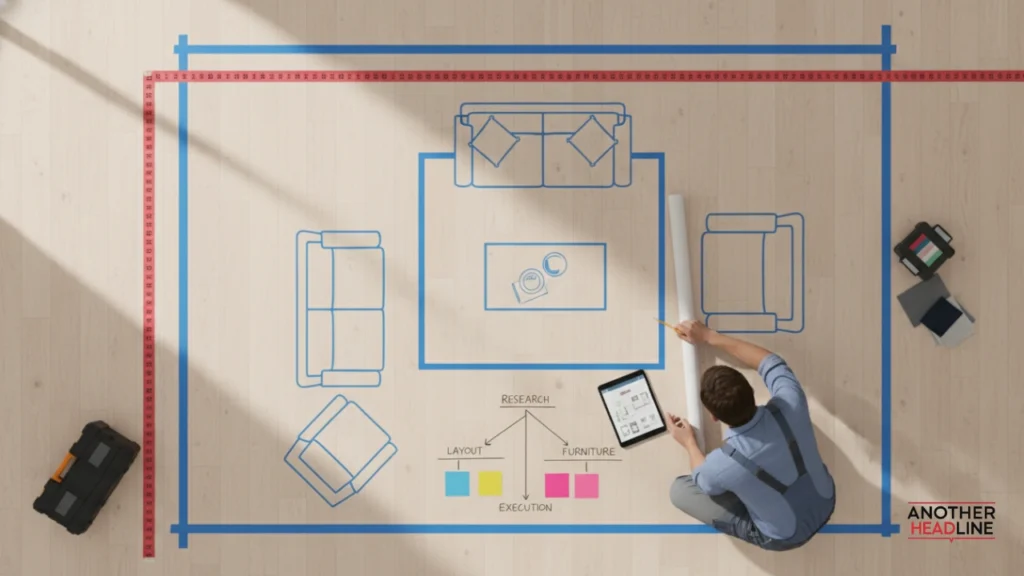
Here is a practical method to improve your home layout.
Step 1: Analyze Your Space
Start by understanding your current setup.
- Measure your room dimensions
- Identify unused areas
- Note problem zones
Step 2: Remove Unnecessary Items
Decluttering is the foundation of space management.
- Donate unused items
- Remove duplicates
- Keep only essentials
Step 3: Plan Your Layout
Think about how you use your space daily.
- Divide areas into zones
- Create separate functions for each area
- Ensure easy movement
Step 4: Invest In Smart Furniture
Choose items that add value.
- Foldable pieces
- Stackable storage
- Convertible designs
Step 5: Test Before Final Setup
Before placing furniture permanently:
- Mark dimensions on the floor
- Walk around the space
- Check comfort and movement
This helps avoid mistakes.
Common Mistakes To Avoid
Many people make similar errors when designing small spaces.
Using Too Many Small Items
- Multiple small chairs or tables create clutter
- Makes the room look busy
Better option:
- Use fewer, larger pieces
Ignoring Scale
- Furniture that is too small looks awkward
- Furniture that is too big feels cramped
Solution:
- Choose balanced sizes
Poor Lighting
- Single overhead lights create shadows
- Makes space feel smaller
Fix:
- Use layered lighting
Overusing White
- White is popular but can feel plain
Better idea:
- Mix light and dark tones
- Add textures for warmth
Smart Design Ideas For Small Homes
Here are some creative ideas you can use.
Cloffice Concept
Turn a closet into a mini office.
- Add a small desk
- Install shelves
- Use curtains to hide it
Hidden Storage Solutions
Keep your space clean and organized.
- Under-bed storage
- Wall cabinets
- Storage benches
Open Layout Design
Combine multiple areas into one.
- Living + dining area
- Bedroom + workspace
Benefits:
- More open feel
- Better flow
Consistent Flooring
Using the same flooring throughout your home creates continuity.
- Avoid visual breaks
- Makes space look bigger
Managing Technology In Small Spaces
Modern homes often have many devices, which can create clutter.
Tips for cable management:
- Use cable organizers
- Hide wires behind furniture
- Use cord boxes
- Install wall-mounted outlets
A clean setup improves both appearance and functionality.
Choosing The Right Colors And Materials
Color plays a big role in how space feels.
Light Colors
- Make rooms feel larger
- Reflect light
Dark Colors
- Add depth
- Create a cozy feel
Best Approach
- Combine both for balance
Materials to consider:
- Glass for openness
- Wood for warmth
- Metal for modern look
Pros And Cons Of Modular Living
Modular design is a key part of Foxydroom com.
Pros:
- Flexible and adaptable
- Easy to move
- Space-saving
- Modern look
Cons:
- Higher initial cost
- May require assembly
- Not always durable
Practical Tips For Everyday Living
Small habits can make a big difference.
- Clean regularly
- Put items back after use
- Avoid impulse buying
- Organize weekly
FAQs
How Can I Make A Small Room Look Bigger?
- Use mirrors
- Keep colors light
- Reduce clutter
- Use vertical storage
Can I Have A Workspace In A Small Room?
Yes, you can:
- Use foldable desks
- Convert closets
- Use wall-mounted tables
What Flooring Is Best For Small Spaces?
- Use the same flooring throughout
- Avoid too many patterns
How Do I Keep My Space Organized?
- Use storage boxes
- Label items
- Maintain daily habits
Final Thoughts
Foxydroom com ultimately shows that smart space management is less about the size of your home and more about how intentionally you use it. By focusing on multifunctional furniture, vertical storage, and clean visual design, even the smallest spaces can feel open, practical, and comfortable. The approach encourages a mindset shift—seeing your home as a flexible environment that adapts to your daily needs rather than a fixed layout.
At the same time, it requires thoughtful planning and disciplined organization to maintain the benefits. While some solutions may involve higher upfront investment, the long-term gains in comfort, efficiency, and mental clarity make it worthwhile.