
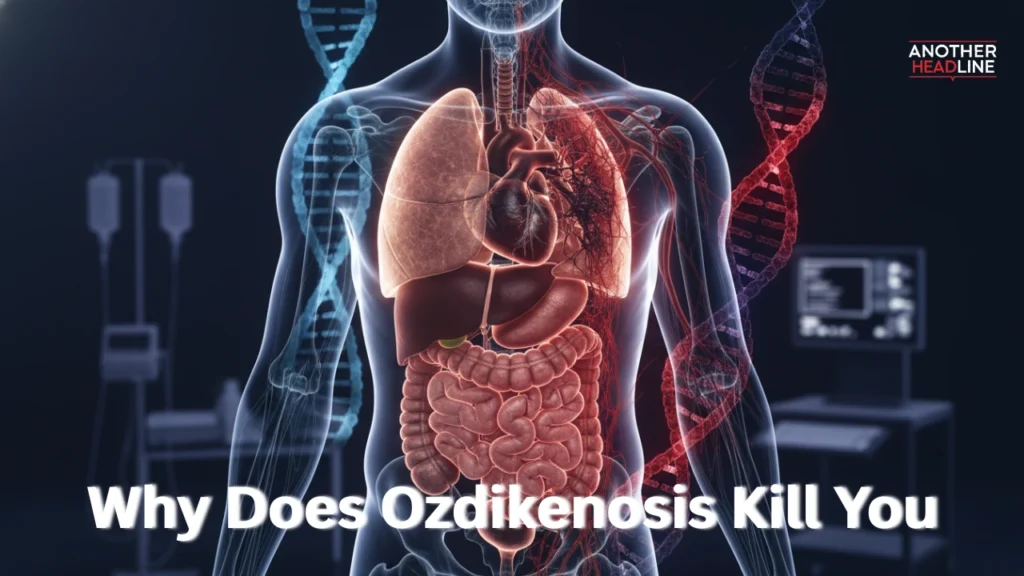
Some illnesses enter life quietly but leave a deep impact. Ozdikenosis is one of those rare conditions that many people never hear about until it becomes personal. It is not just a medical term, but a life-altering diagnosis that raises one serious question: why does Ozdikenosis kill you?
The answer lies in how the disease affects the body as a whole. It does not damage just one organ. Instead, it spreads gradually and disrupts multiple systems until the body can no longer function properly.
What Is Ozdikenosis
Ozdikenosis is described as a rare genetic disorder, meaning a person is born with it rather than catching it from others.
Key characteristics of the disease:
Also Read


- It is inherited through genes
- It may remain silent for years before symptoms appear
- It gradually worsens over time
- It affects multiple organs instead of one specific area
Because it is rare and not widely studied, many cases are diagnosed late. This delay often allows the disease to progress without control.
Why Ozdikenosis Is So Dangerous
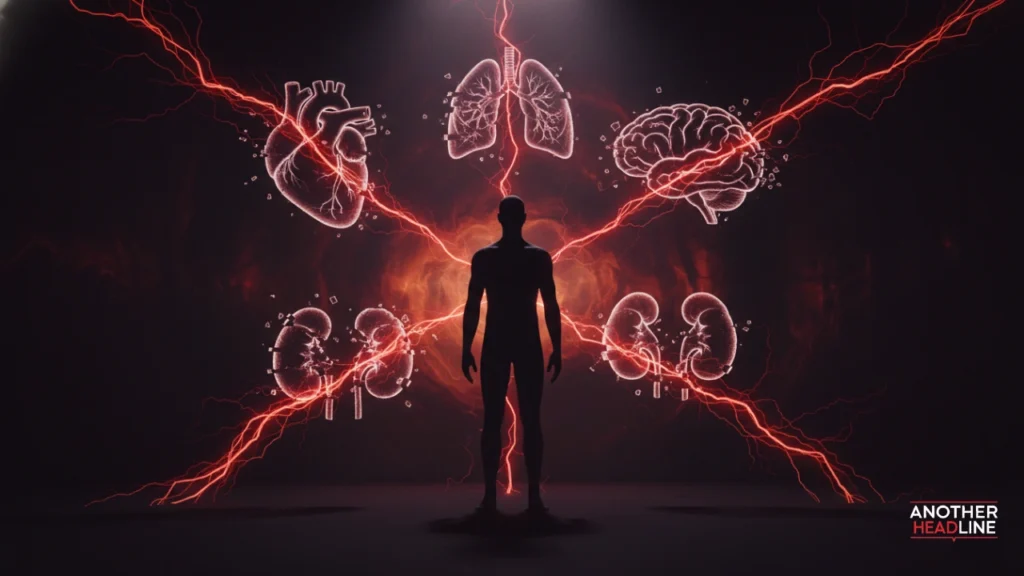
The danger of Ozdikenosis comes from a combination of factors:
- Progressive nature: the disease keeps getting worse without stopping
- Systemic impact: it affects several organs at the same time
- Limited research: fewer treatment options are available
- Silent early phase: symptoms are mild and often ignored
This combination makes it difficult to detect early and harder to treat effectively.
Early Symptoms That Often Go Unnoticed
In the beginning, Ozdikenosis does not show strong warning signs. Many early symptoms look like common health issues, which leads to delays in diagnosis.
Common early signs include:
- Constant tiredness even after proper rest
- Unexplained weight loss
- Frequent infections or slow recovery
- Shortness of breath during simple activities
- Muscle pain, stiffness, or weakness
- Low energy levels throughout the day
These symptoms may seem minor on their own. However, together they may indicate something more serious.
How Ozdikenosis Affects The Body
Ozdikenosis becomes life-threatening because it does not stay limited to one system. Instead, it spreads and causes a chain reaction in the body.
Here is how it typically progresses:
Immune system dysfunction
- The immune system starts behaving abnormally
- Instead of protecting the body, it creates ongoing inflammation
- This damages healthy tissues over time
Heart complications
- Irregular heartbeat may develop
- The heart becomes weaker and less efficient
- Blood circulation is affected
Lung problems
- Reduced oxygen supply to the body
- Breathing becomes difficult
- Fatigue increases due to low oxygen levels
Liver damage
- Liver enzymes become abnormal
- The liver struggles to remove toxins
- Harmful substances build up in the body
Kidney failure
- Kidneys lose their ability to filter waste
- Toxins remain in the bloodstream
- Fluid imbalance occurs
Nervous system involvement
- Brain fog or confusion
- Poor coordination
- In severe cases, seizures
Why Does Ozdikenosis Kill You
The main reason Ozdikenosis becomes fatal is multi-organ failure. The body depends on several systems working together. When too many systems fail at once, survival becomes difficult.
Here is a simple breakdown:
- Without proper lung function, oxygen cannot reach cells
- Without a strong heart, blood circulation slows down
- Without kidney function, waste builds up in the body
- Without liver function, toxins increase
- Without immune balance, infections or self-damage occur
It is not just one failure. It is a complete system breakdown.
This is why advanced stages of Ozdikenosis are often life-threatening.
Stages Of Disease Progression
Ozdikenosis usually develops in stages:
Early stage
- Mild symptoms like fatigue and weakness
- Often ignored or misdiagnosed
Middle stage
- Organ involvement begins
- Symptoms become more noticeable
- Medical tests may detect abnormalities
Advanced stage
- Multiple organs are affected
- Daily functioning becomes difficult
- Risk of life-threatening complications increases
Critical stage
- Multi-organ failure
- Intensive medical care required
- Survival chances decrease significantly
Who Is At Higher Risk
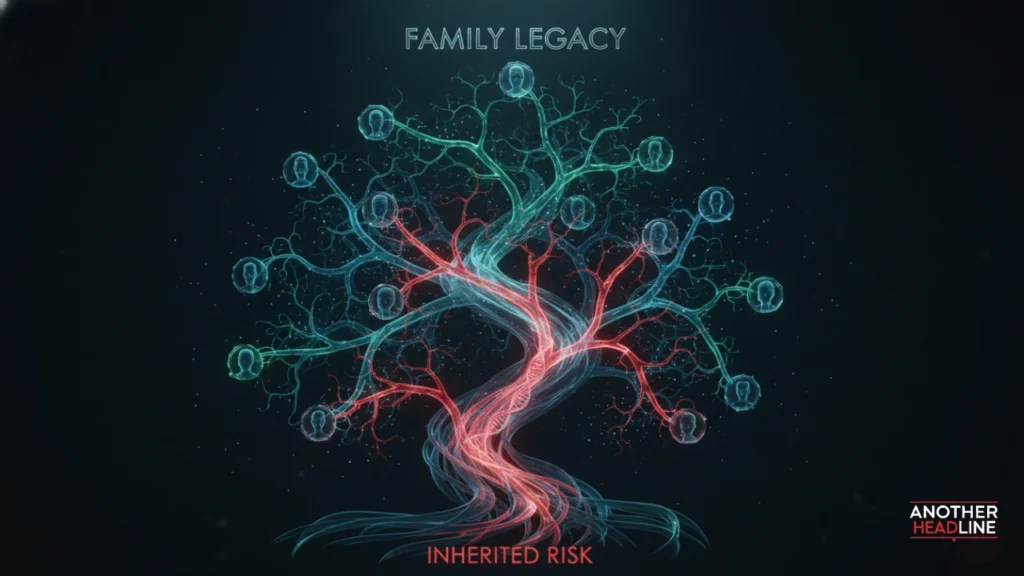
Since Ozdikenosis is genetic, risk factors are different from lifestyle diseases.
Main risk factors include:
- Family history of the condition
- Genetic mutations passed from parents
- Environmental triggers such as toxins or infections
- Poor overall health condition
- Delayed diagnosis and lack of early care
Even though lifestyle does not cause the disease, it can influence how fast it progresses.
Complications That Lead To Death
Ozdikenosis does not directly cause death in one simple way. Instead, complications build up over time.
Major life-threatening complications:
- Multi-organ failure
- Severe infections due to weak immunity
- Heart failure
- Respiratory failure
- Toxic buildup in blood
- Neurological complications
When several of these occur together, the body reaches a critical point.
Diagnosis Challenges
Diagnosing Ozdikenosis is not easy because:
- Symptoms are similar to common illnesses
- The disease is rare and less understood
- It progresses slowly in early stages
- Many doctors may not recognize it immediately
Diagnostic methods may include:
- Blood tests
- Genetic testing
- Organ function tests
- Imaging scans
Early diagnosis is important but often difficult.
Treatment Options Available
Currently, there is no complete cure for Ozdikenosis. Treatment mainly focuses on managing symptoms and slowing progression.
Common treatment approaches:
Supportive care
- Anti-inflammatory medications
- Oxygen therapy
- Dialysis if kidneys fail
- Heart and lung support treatments
Lifestyle adjustments
- Balanced diet
- Regular monitoring
- Stress management
- Avoiding harmful environmental factors
Experimental treatments
- Gene therapy research
- Stem cell therapy studies
- Advanced medical trials
These treatments aim to extend life and improve quality rather than cure the disease.
Importance Of Early Detection
Early diagnosis plays a major role in survival.
Benefits of early detection:
- Slower disease progression
- Better organ protection
- More treatment options available
- Improved quality of life
People with a family history should consider regular health checkups and genetic counseling.
Emotional And Mental Impact
Ozdikenosis affects more than just physical health. It also has a strong emotional and mental impact.
Common challenges faced by patients:
- Anxiety about the future
- Depression due to lifestyle changes
- Stress from ongoing medical care
- Feeling isolated due to a rare condition
Support from family, counseling, and patient communities can help manage these challenges.
Can Ozdikenosis Be Prevented
Since it is a genetic disorder, complete prevention is not possible. However, certain steps can help reduce risks and complications.
Preventive measures include:
- Genetic counseling before planning a family
- Regular health screenings if there is family history
- Maintaining a healthy lifestyle
- Early medical consultation when symptoms appear
These steps can help manage the condition better.
Living With Ozdikenosis
Living with Ozdikenosis requires adjustments in daily life.
Patients often need to:
- Follow strict medical routines
- Monitor their health regularly
- Adapt to lower energy levels
- Make lifestyle changes for better health
Despite challenges, many patients continue to live meaningful lives with proper care.
Future Hope And Research
Medical science is working to find better treatments for rare diseases like Ozdikenosis.
Promising areas of research:
- Gene editing techniques
- Stem cell therapy
- Biomarker identification for early detection
- Personalized medicine
While a cure is not available yet, ongoing research brings hope for the future.
Final Thoughts
Ozdikenosis is dangerous because it does not attack just one part of the body—it gradually weakens multiple vital systems at the same time. As the disease progresses, organs like the heart, lungs, kidneys, and liver begin to fail together, leading to a critical condition known as multi-organ failure. This widespread damage is the main reason why Ozdikenosis can become fatal, especially when it is diagnosed late or left unmanaged.
However, the outcome is not always immediate or hopeless. Early detection, proper medical support, and lifestyle care can slow the progression and improve quality of life. While there is currently no cure, ongoing research and advanced treatments offer hope for better management in the future. Awareness, timely diagnosis, and consistent care remain the strongest tools in facing this rare condition.