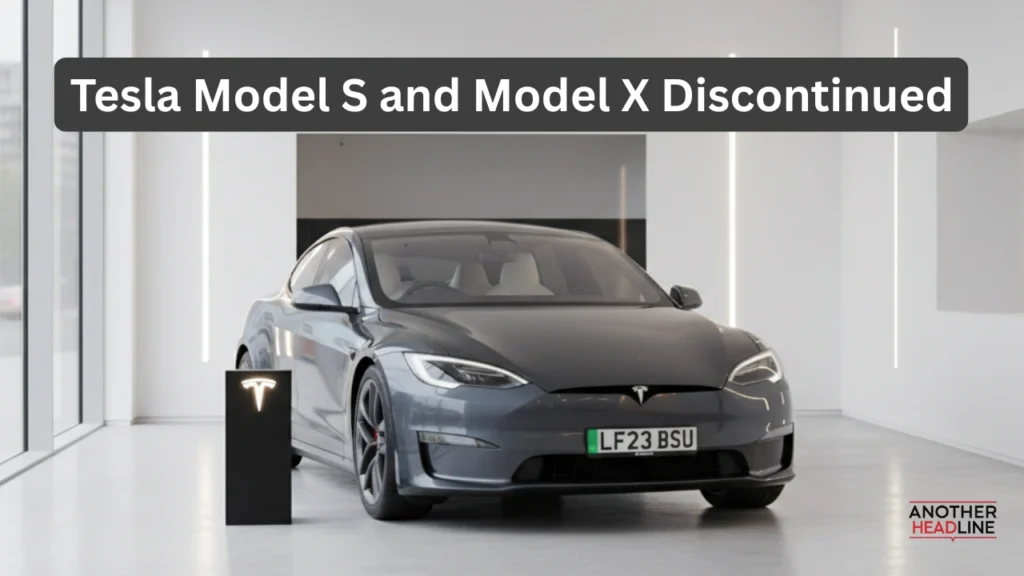
Tesla Model S and Model X Discontinued: Tesla has officially confirmed the discontinuation of its two longest-running and most iconic electric vehicles — the Model S sedan and Model X SUV. This decision marks the end of an era not just for Tesla, but for the modern electric vehicle movement as a whole. Once hailed as groundbreaking machines that redefined performance, luxury, and range in EVs, the Model S and X are now being phased out as Tesla pivots toward autonomy, artificial intelligence, and robotics.
Why Tesla Model S and Model X Discontinued
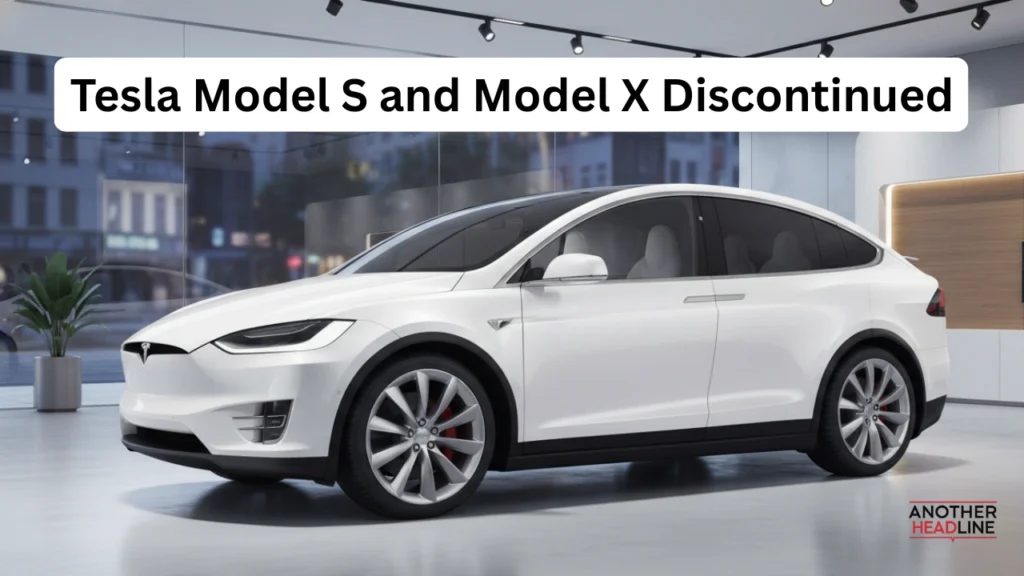
Tesla CEO Elon Musk announced during a recent earnings call that production of the Model S and Model X will wind down in the coming quarter, a statement later confirmed via Tesla’s official social media channels. The decision is driven by multiple strategic and commercial factors:
- Declining sales volumes compared to mass-market models
- High production complexity and cost
- Shifting focus toward AI, robotics, and autonomous mobility
- Need to repurpose factory capacity for next-generation projects
While the announcement was abrupt, industry observers note that the signs have been visible for years.
Falling Sales and Changing Priorities
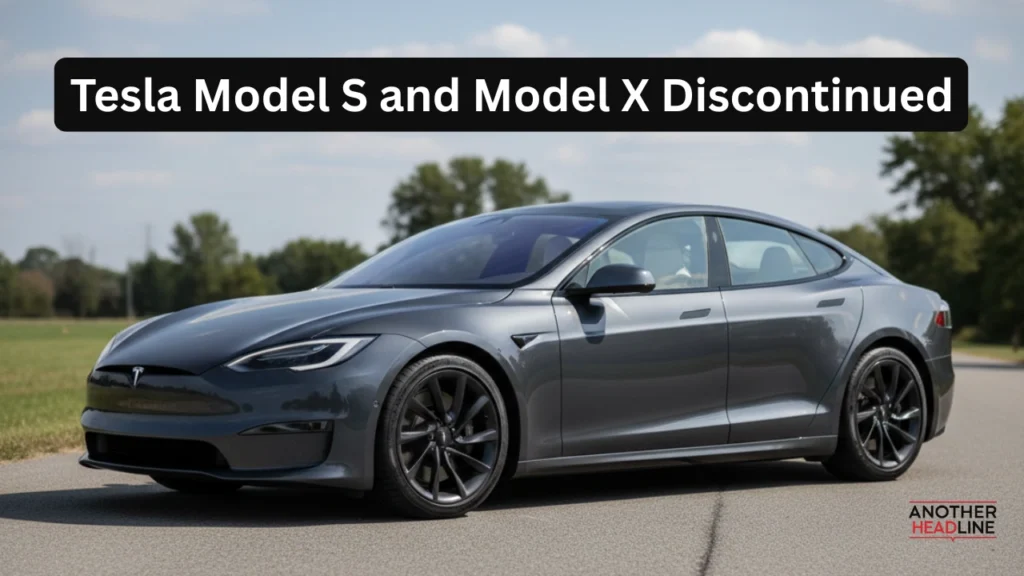
Despite periodic refreshes, the Model S and Model X struggled to maintain relevance in a market increasingly dominated by more affordable EVs. Tesla’s own sales data groups these vehicles under “other models,” where deliveries dropped sharply in 2025.
Also Read
Key sales challenges included:
- Strong competition from premium EV brands like BMW, Mercedes-Benz, and Audi
- Consumer preference shifting toward Model 3 and Model Y, which offer better value
- Limited design evolution, especially for the Model X
As a result, Tesla chose to double down on scalable platforms rather than niche luxury offerings.
A Strategic Shift Toward AI and Robotics
One of the most significant reasons behind the discontinuation is Tesla’s transformation into an AI-first company. Elon Musk has made it clear that Tesla’s future extends far beyond electric cars.
Major strategic moves include:
- Repurposing the Fremont factory to manufacture Optimus humanoid robots
- Scaling production capacity for robotics and AI infrastructure
- Accelerating development of Cybercab robotaxis
- Investing heavily in autonomous systems and software
According to Musk, this transition aligns with Tesla’s long-term goal of becoming a leader in intelligent automation rather than a traditional automaker.
What Made the Model S and Model X Special
Before their discontinuation, both vehicles played a foundational role in Tesla’s rise:
Tesla Model S Highlights
- First launched in 2012
- Set new benchmarks for EV range and acceleration
- Performance variants could sprint from 0–100 kmph in under 3 seconds
- Helped prove EVs could compete with luxury performance sedans
Tesla Model X Highlights
- Introduced in 2015 as Tesla’s flagship SUV
- Offered three-row seating and AWD
- Known for its distinctive falcon-wing doors
- Combined practicality with supercar-level acceleration
These models helped establish Tesla as a serious contender in the global automotive industry.
What This Means for Tesla Owners
Tesla has reassured existing Model S and Model X owners that:
- Service, software updates, and parts support will continue
- Warranty obligations will be honored
- Supercharger access and OTA updates will remain unchanged
However, resale values and long-term collectability may become talking points as these vehicles transition into legacy status.
What’s Next for Tesla?
With the Model S and X exiting the lineup, Tesla’s focus will revolve around:
- Model 3 and Model Y as core revenue drivers
- Next-generation affordable EV platforms
- Cybercab autonomous vehicles
- Optimus humanoid robots and AI systems
While the decision may disappoint longtime fans, it reflects Tesla’s aggressive push to stay ahead in a rapidly evolving tech-driven future.
Final Thoughts
The discontinuation of the Tesla Model S and Model X marks a symbolic turning point for the company, signaling its evolution from a pioneering EV automaker to an AI- and robotics-driven tech brand. While the move may disappoint loyal fans and luxury EV enthusiasts, it reflects Tesla’s strategic focus on scalability, autonomy, and future technologies like robotaxis and humanoid robots. The Model S and X will be remembered as trailblazers that reshaped the automotive industry, even as Tesla looks ahead to redefine its identity beyond traditional cars.