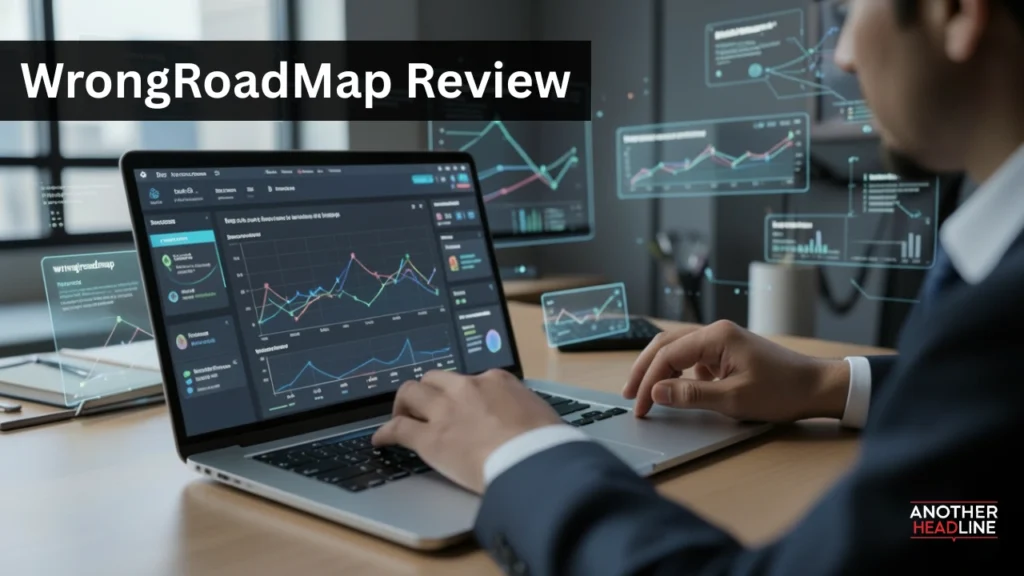
Today’s fast-moving digital world, making the right decision can be challenging, especially when important choices involve careers, finances, or business strategies. This WrongRoadMap Review explores a modern platform designed to simplify complex decision-making through structured guidance and data-driven insights. Instead of relying only on intuition or guesswork, WrongRoadMap uses analytical tools, predictive models, and strategic roadmaps to help users evaluate multiple options and choose the most effective path forward.
One such platform gaining attention is WrongRoadMap, a system designed to help individuals and businesses make smarter, data-driven decisions. Instead of relying solely on intuition or guesswork, the platform combines analytics, structured guidance, and predictive insights to assist users in evaluating different options before committing to a choice.
What is WrongRoadMap?
WrongRoadMap is a digital decision-making platform built to simplify complex choices. It provides structured roadmaps, predictive analysis, and risk assessment tools that help users evaluate possible outcomes before taking action.
Instead of presenting users with raw data that may be difficult to interpret, the platform converts information into clear strategies and guided steps.
Also Read


Core purpose of WrongRoadMap
The platform aims to:
- Reduce uncertainty in decision-making
- Provide data-backed insights
- Help users evaluate multiple scenarios
- Identify potential risks before they occur
- Improve long-term planning strategies
WrongRoadMap can be used in various areas, including personal life planning, professional development, financial planning, and business strategy.
Key Features of WrongRoadMap

One of the main reasons the platform stands out is its combination of technology-driven analytics and structured guidance. Below are the most notable features offered by WrongRoadMap.
1. AI-Powered Decision Analytics
WrongRoadMap uses advanced analytics to evaluate potential outcomes based on the data you provide.
Key capabilities include:
- Predictive outcome modeling
- Scenario comparison tools
- Data-backed success probability estimates
- Strategic recommendation generation
These tools help users see the bigger picture before making important decisions.
2. Step-by-Step Decision Roadmaps
Rather than presenting complex data dashboards, the platform organizes insights into actionable roadmaps.
Each roadmap includes:
- Clear decision stages
- Suggested actions
- Timeline planning
- Alternative pathways
This structured approach helps users stay focused and organized while navigating complicated choices.
3. Risk Evaluation System
Every decision carries a level of uncertainty. WrongRoadMap attempts to minimize potential mistakes by highlighting risks early in the process.
The risk analysis tools help users:
- Identify possible challenges
- Evaluate potential losses
- Prepare contingency strategies
- Compare safe and risky options
By analyzing risk factors, users can make more balanced decisions.
4. Decision Progress Tracking
Another useful feature is progress tracking. Once a decision is implemented, the platform allows users to monitor outcomes and evaluate performance.
Tracking tools include:
- Outcome evaluation dashboards
- Strategy performance metrics
- Feedback-based adjustments
- Learning reports for future decisions
This feature encourages continuous improvement in decision-making skills.
5. Educational Resource Library
WrongRoadMap also provides a collection of resources designed to help users learn better planning techniques.
Available materials include:
- Tutorials on decision-making strategies
- Case studies from real-world scenarios
- Expert guides on planning and risk management
- Articles on productivity and strategic thinking
These resources help users develop stronger analytical thinking over time.
How WrongRoadMap Works
The platform follows a simple process designed to guide users step by step.
Step 1: Define Your Objective
Users start by entering their goal or problem. This could be:
- Choosing between job opportunities
- Planning a business expansion
- Evaluating investment options
- Deciding on education paths
The system uses this input to understand the situation.
Step 2: Provide Context and Data
The platform then asks for relevant details such as:
- Budget or financial limits
- Time constraints
- Expected outcomes
- Risk tolerance
Providing accurate information improves the quality of recommendations.
Step 3: Generate Decision Roadmaps
After processing the data, WrongRoadMap creates multiple strategy options.
Each option includes:
- Possible outcomes
- Risk levels
- Suggested actions
- Estimated success probability
This allows users to compare choices clearly.
Step 4: Implement and Monitor
Once a decision is made, users can track results through the platform.
Tracking helps with:
- Measuring success
- Adjusting strategies
- Learning from past decisions
This continuous learning loop makes the platform more effective over time.
Benefits of Using WrongRoadMap
There are several reasons why individuals and organizations may find value in this platform.
1. Saves Time
Manually researching and analyzing options can take hours or even days. WrongRoadMap simplifies the process by organizing data into structured insights.
Users can quickly identify the most promising paths without excessive research.
2. Improves Confidence in Decisions
One of the biggest challenges people face is uncertainty. Data-driven insights can help users feel more confident about their choices.
When decisions are supported by analysis, the chances of regret decrease.
3. Reduces Risk
By highlighting potential problems before they occur, the platform allows users to prepare better strategies.
Risk analysis can prevent costly mistakes in areas like:
- Business investments
- Career moves
- Financial planning
4. Encourages Strategic Thinking
Using structured roadmaps encourages users to think more strategically rather than making impulsive decisions.
Over time, this can significantly improve planning abilities.
5. Versatile Use Cases
WrongRoadMap is not limited to one industry or profession. It can be applied to multiple areas of life.
This versatility makes the platform useful for individuals, entrepreneurs, and corporate teams alike.
Potential Drawbacks

Despite its advantages, WrongRoadMap is not perfect. Users should consider a few potential limitations.
1. Subscription Costs
Some of the platform’s advanced tools require paid plans. This may be a barrier for users who prefer free tools.
2. Learning Curve
Although the platform is designed to be user-friendly, understanding advanced analytics features may take time for beginners.
3. Data Accuracy Matters
The platform relies heavily on the information provided by the user.
If incorrect or incomplete data is entered, the recommendations may not be reliable.
WrongRoadMap vs Traditional Decision-Making
Traditional decision-making often relies on experience, instinct, or advice from others. While these methods can work, they may lack objective analysis.
Here is how WrongRoadMap compares.
Traditional Methods
- Based on intuition
- Limited data analysis
- Higher uncertainty
- Trial-and-error approach
WrongRoadMap Approach
- Data-driven insights
- Predictive modeling
- Structured roadmaps
- Risk evaluation tools
By combining technology with strategic planning, the platform offers a more modern approach to decision-making.
Real-World Applications
WrongRoadMap can be useful in several practical scenarios.
Career Planning
Professionals can evaluate different career options using structured analysis.
Examples include:
- Comparing job offers
- Deciding on skill development
- Evaluating relocation opportunities
Financial Decisions
Investors can use the platform to analyze financial opportunities.
Possible use cases include:
- Investment strategy planning
- Budget management
- Long-term financial forecasting
Business Strategy
Entrepreneurs can benefit from strategic planning features.
The platform can help with:
- Market expansion decisions
- Product launch strategies
- Risk management planning
Personal Life Choices
Even personal decisions can benefit from structured thinking.
Examples include:
- Choosing education programs
- Relocation decisions
- Long-term lifestyle planning
User Feedback and WrongRoadMap Review
User feedback for WrongRoadMap generally highlights the platform’s ability to simplify complicated choices.
Common positive points include:
- Easy-to-follow decision roadmaps
- Helpful risk assessment tools
- Practical insights for real-life decisions
- Clear visual dashboards
However, some users mention that the platform works best when users actively participate in the process rather than relying entirely on automated suggestions.
This indicates that WrongRoadMap should be used as a decision-support tool rather than a decision replacement system.
Pricing and Plans
WrongRoadMap offers multiple subscription plans designed for different types of users.
Basic Plan
Best for beginners or casual users.
Features may include:
- Limited roadmap generation
- Basic analytics tools
- Access to selected educational resources
Pro Plan
Designed for professionals and small business owners.
Features include:
- Full analytics access
- Detailed risk evaluation
- Progress tracking tools
- Complete resource library
Enterprise Plan
Tailored for larger organizations.
Possible features include:
- Advanced analytics dashboards
- Team collaboration tools
- Custom integrations
- Dedicated support services
Users should choose the plan that best matches their decision-making needs.
Tips to Get the Best Results from WrongRoadMap Review
To maximize the platform’s benefits, users should follow a few best practices.
Provide Accurate Data
Better inputs produce better insights. Always enter reliable information when creating decision roadmaps.
Follow the Suggested Roadmap
The platform works best when users follow the structured guidance rather than skipping steps.
Track Results
Monitoring outcomes helps refine future decisions and improve strategies.
Use the Learning Resources
Exploring tutorials and case studies can enhance your understanding of strategic planning.
Combine Data with Personal Judgment
Even the best analytics tools cannot replace human experience. Use the platform as a guide while applying your own judgment.
FAQs
What is WrongRoadMap?
WrongRoadMap is a digital decision-support platform that uses analytics and structured roadmaps to help users evaluate choices and reduce uncertainty.
Is WrongRoadMap beginner-friendly?
Yes. While advanced features may take time to master, the basic roadmap system is designed to be easy to understand.
Does WrongRoadMap guarantee success?
No platform can guarantee outcomes. However, the tool provides data-backed insights that can improve decision quality.
Is WrongRoadMap worth using?
For users who regularly face complex decisions, the structured guidance and analytics tools can be very helpful.
Final Verdict
WrongRoadMap offers a modern approach to decision-making by combining analytics, risk evaluation, and structured roadmaps. Instead of relying solely on intuition, users can explore different scenarios and evaluate possible outcomes before making a choice.
Although the platform has some limitations, such as subscription costs and a slight learning curve, its benefits outweigh the drawbacks for most users.
For professionals, entrepreneurs, and individuals seeking clarity in complex situations, WrongRoadMap can serve as a powerful decision-support tool that improves planning, reduces risks, and promotes smarter choices.