
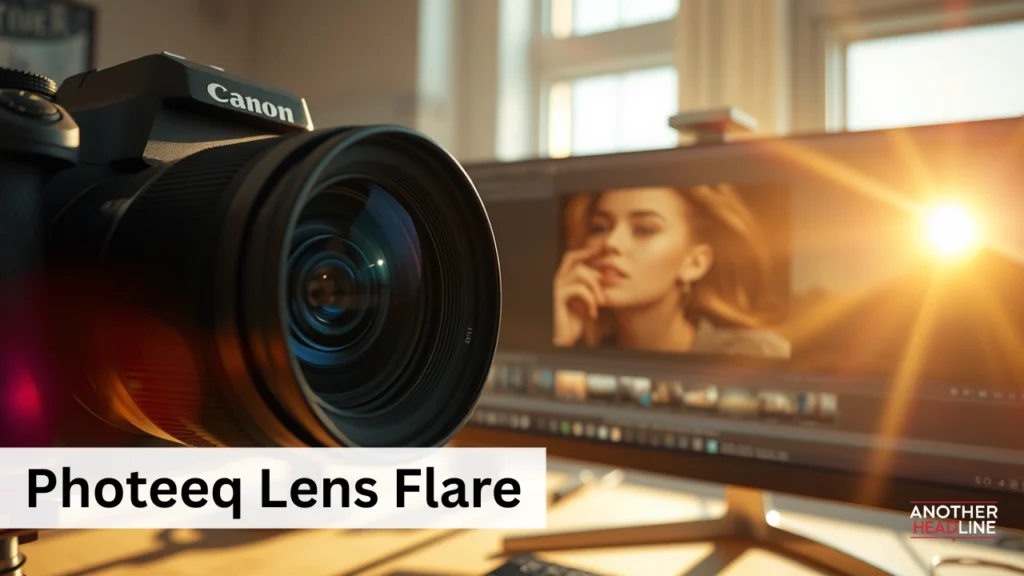
Light is the foundation of every powerful photograph and digital composition. It shapes mood, directs attention, and transforms ordinary scenes into emotionally engaging visuals. One of the most effective post-processing techniques for enhancing light is Photeeq Lens Flare—a controlled, realistic way to simulate natural lens behavior without overpowering the image.
Unlike harsh or exaggerated flare overlays, Photeeq Lens Flare focuses on subtle realism. When used correctly, it enhances depth, atmosphere, and storytelling while maintaining professional polish. This guide explains what it is, why creators use it, how to apply it correctly, and how to avoid common mistakes—making it suitable for both beginners and experienced editors.
What Is Photeeq Lens Flare?
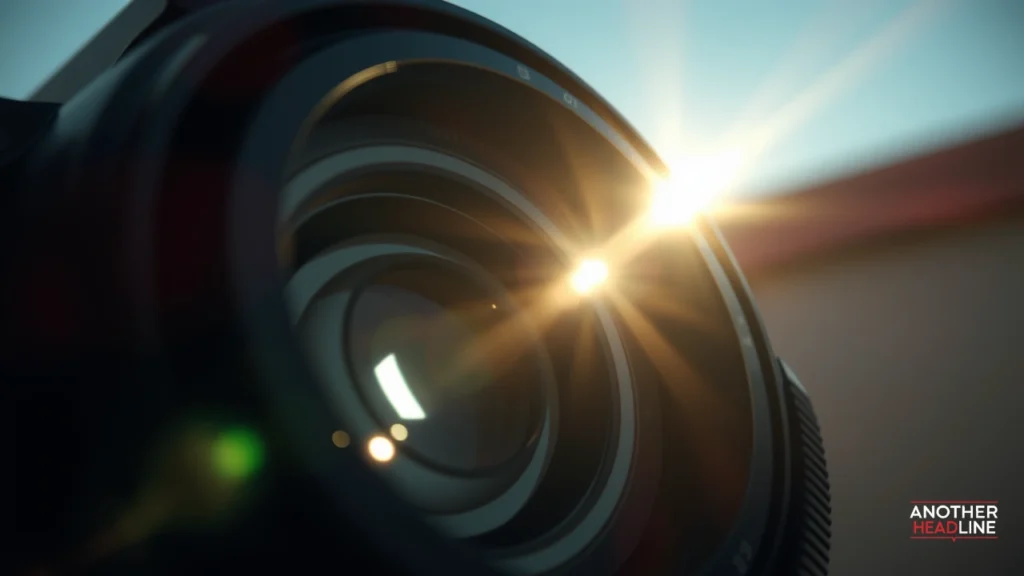
Photeeq Lens Flare is a digital lighting effect designed to replicate how real camera lenses react to strong light sources. These effects occur naturally when sunlight or artificial light enters the lens at certain angles, causing reflections, haze, streaks, or glow.
Key characteristics include:
Also Read


- Soft highlight blooming instead of harsh glare
- Gentle circular or polygonal reflections
- Light haze that adds atmosphere
- Subtle streaks aligned with the light source
- Controlled brightness that preserves subject detail
The goal is realism. A well-applied Photeeq Lens Flare should feel like part of the original scene rather than an obvious digital addition.
Why Creators Use Photeeq Lens Flare
Professionals rely on Photeeq Lens Flare because it enhances images in ways that go beyond aesthetics.
1. Enhances Emotional Impact
Light directly influences how an image feels.
- Warm flares evoke nostalgia, romance, or comfort
- Cool flares suggest calm, distance, or modernity
- Soft glow creates cinematic atmosphere
Even subtle adjustments can dramatically improve emotional connection.
2. Adds Depth and Dimension
Lens flare helps separate visual layers.
- Foreground subjects feel closer
- Background elements appear more distant
- Scenes gain spatial realism
This is especially effective in landscapes, portraits, and product imagery.
3. Guides Viewer Attention
Strategic flare placement can subtly direct the eye.
- Reinforces the main light source
- Leads viewers toward the subject
- Prevents flat or lifeless compositions
Instead of distracting, it enhances visual flow.
Common Mistakes to Avoid
Even high-quality images can suffer from poorly applied flare. The most common errors include:
- Overexposure: Too much brightness washes out color and contrast
- Incorrect alignment: Flare not matching the light direction looks fake
- Color mismatch: Warm flares in cool scenes break realism
- Low-quality assets: Pixelated or harsh overlays ruin polish
- Overuse: Applying flare to every image reduces its impact
Avoiding these mistakes is essential when working with Photeeq Lens Flare.
Core Principles for Realistic Photeeq Lens Flare
To achieve professional results, follow these five essential principles.
Principle 1: Respect Light Direction
Always align the flare with:
- Existing shadows
- Highlight placement
- Reflections in the scene
If the light source isn’t believable, the flare won’t be either.
Principle 2: Keep It Subtle
Natural lens flare is rarely dominant.
- Lower opacity
- Soften edges
- Reduce saturation
If viewers notice the flare immediately, it’s probably too strong.
Principle 3: Match Color Temperature
Color harmony is critical.
- Golden scenes → warm flares
- Overcast scenes → neutral or cool tones
- Night scenes → controlled highlights only
Matching tones preserves realism.
Principle 4: Protect Key Details
Never let flare obscure important elements:
- Eyes and facial features
- Brand logos
- Product textures
Use soft masks to maintain clarity.
Principle 5: Adjust for Output
Flare intensity changes across formats.
- Mobile screens exaggerate brightness
- Prints reduce glow
- High-resolution displays reveal flaws
Always test before final export.
Step-by-Step Workflow for Applying Photeeq Lens Flare
A structured workflow ensures consistency and realism.
Step 1: Prepare the Base Image
Before adding flare:
- Correct exposure
- Balance contrast
- Adjust white balance
A strong foundation prevents unwanted artifacts.
Step 2: Identify the Light Source
Study the image carefully.
- Shadow direction
- Highlight placement
- Environmental clues
This determines flare positioning.
Step 3: Apply the Flare Layer
Use blend modes such as:
- Screen
- Linear Dodge
- Additive
These integrate light naturally.
Step 4: Control Opacity and Intensity
Lower brightness until the effect blends seamlessly.
Step 5: Mask Critical Areas
Protect faces, text, and product details.
Step 6: Fine-Tune Color and Exposure
Adjust hue, saturation, and highlights independently.
Step 7: Review at Multiple Zoom Levels
Check realism both close-up and full frame.
Creative Uses of Photeeq Lens Flare Across Genres
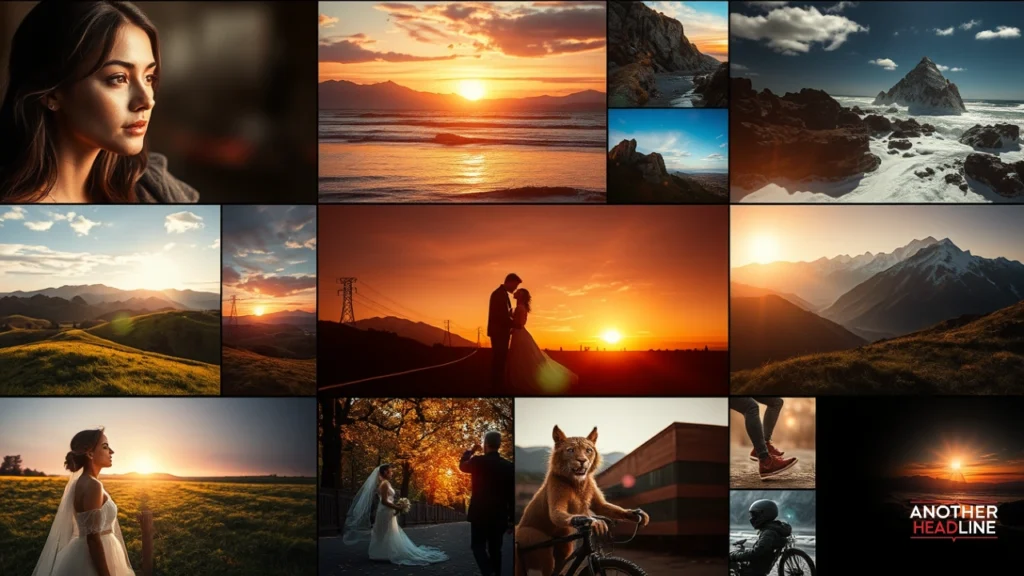
Portrait Photography
- Adds warmth and softness
- Enhances hair highlights
- Creates cinematic backlighting
Landscape and Travel
- Simulates sunrise or sunset glow
- Enhances mist and atmospheric depth
- Adds scale and realism
Product Photography
- Elevates metallic and glass surfaces
- Creates premium visual appeal
- Draws attention to key features
Wedding Photography
- Enhances emotional moments
- Softens harsh lighting
- Maintains natural elegance
Social Media Content
- Adds visual polish
- Differentiates content from flat edits
- Maintains consistency across feeds
Advanced Techniques for Professionals
Experienced editors can push realism further with advanced methods.
Multiple Flare Layers
- One layer for ambient haze
- One for reflections
- One for subtle streaks
Layering creates complexity without intensity.
Integrated Color Grading
Apply flare during grading to maintain tonal consistency.
Selective Gaussian Blur
- Sharp foreground flare
- Soft background glow
This enhances depth perception.
Light-Specific Masking
Control multiple light sources independently for complex scenes.
Texture Blending
Adding fine grain helps the flare feel embedded, not pasted.
Troubleshooting Common Issues
If something feels off, try these fixes:
- Artificial look: Reduce opacity and saturation
- Washed colors: Increase midtone contrast
- Lost detail: Mask flare around the subject
- Flat image: Add subtle contrast after flare
Small adjustments often make a big difference.
Case Study: Outdoor Portrait Enhancement
In an overcast outdoor portrait shoot, natural sunlight was absent. By carefully positioning a warm Photeeq Lens Flare aligned with the imagined sun direction:
- Depth increased
- Skin tones felt warmer
- The image appeared naturally sunlit
The final result looked authentic, proving that controlled flare can transform lighting conditions without deception.
Best Tools for Applying Photeeq Lens Flare
Popular options include:
- Photoshop / Affinity Photo: Full manual control
- Lightroom: Radial glow adjustments
- After Effects: Motion-tracked flares for video
- Specialized plugins: Presets with customization
Combining native tools with subtle plugins yields the best results.
Workflow Tips for Consistency
To maintain a professional look:
- Build a personal flare asset library
- Save adjustment presets
- Track color temperature choices
- Review images as a set before export
Consistency matters as much as creativity.
Related Lighting Concepts to Understand
Mastering these improves flare realism:
- Light bloom
- Atmospheric scattering
- Backlight diffusion
- Bokeh reflections
- Color harmony
Together, they elevate visual storytelling.
FAQs
What is Photeeq Lens Flare used for?
To enhance mood, depth, and realism without overpowering the image.
Is lens flare suitable for indoor shots?
Yes, if there is a believable light source.
Does it reduce image quality?
No—when applied subtly, it enhances perceived quality.
When should it be applied in editing?
After basic color correction but before final polish.
Conclusion
Photeeq Lens Flare is not just a visual effect—it is a storytelling technique rooted in realism and restraint. When applied with intention, it enhances emotion, depth, and atmosphere without distracting from the subject. By respecting light direction, color harmony, and subtlety, creators can achieve cinematic results that feel natural and professional.
Mastery comes from observation, practice, and thoughtful application. Used correctly, Photeeq Lens Flare becomes an invisible yet powerful element that transforms images into compelling visual narratives.