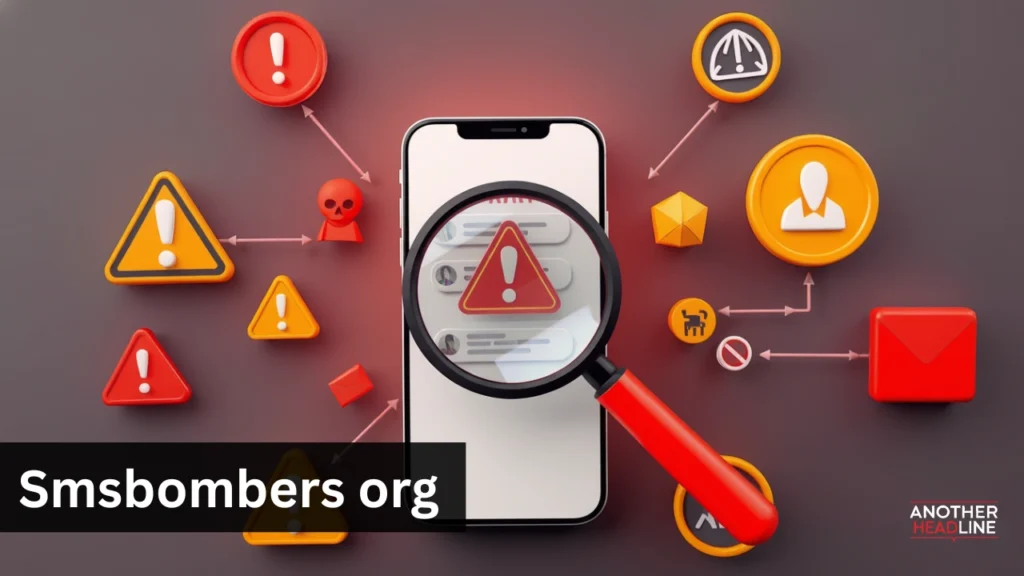
Unwanted SMS messages can be more than just annoying. In some cases, they are used to harass, scam, intimidate, or overload a person’s phone with hundreds of messages in a short period of time. The term Smsbombers org often appears online in discussions related to bulk SMS abuse, verification code flooding, or suspicious mass-messaging activity.
This guide is strictly informational and safety-focused. It does not promote or endorse any SMS abuse tools or websites. Instead, it explains how to recognize SMS abuse, how to report it properly, and how to protect your privacy and digital accounts.
What Smsbombers org Refers To and Why It Matters
The phrase Smsbombers org is usually encountered in one of three situations:
- Someone searching for information after receiving a large number of SMS messages
- A discussion about mass SMS attacks or verification code flooding
- Concern that a phone number has been targeted by harassment or misuse
Regardless of context, the key concern is SMS abuse.
Also Read


Why you should take it seriously
- Repeated SMS attacks can disrupt daily life and cause stress
- SMS floods may be used to lock you out of online accounts
- Some messages contain phishing links or fake customer support numbers
- Premium SMS scams can lead to unexpected charges
- Attackers may test your number for future fraud attempts
Even if the source behind the messages is unclear, the risk is real, and ignoring it can lead to bigger problems later.
Smsbombers org – Common Types of SMS Abuse You Should Know
SMS abuse appears in multiple forms. Recognizing the pattern early helps limit damage.
1. Mass Message Flooding
- Dozens or hundreds of messages in a short time
- Often sent from multiple numbers
- Designed to overwhelm or harass
2. OTP or Verification Code Attacks
- Repeated login or verification codes you didn’t request
- Often targets email, social media, or banking accounts
- May indicate someone is attempting account takeover
3. Phishing SMS (Smishing)
- Messages urging urgent action
- Fake warnings about account suspension or refunds
- Includes suspicious links or phone numbers
4. Spoofed Brand Messages
- Appear to come from banks, courier services, or government bodies
- Use logos, similar language, and official-looking tone
- Actually sent from unverified or random numbers
5. Premium SMS Subscription Traps
- Automatically enroll your number in paid services
- Charges may appear on your phone bill
- Often hidden behind misleading consent messages
Quick SMS Abuse Reporting Reference
Problem Observed
- Repeated spam texts
- OTP flooding
- Phishing messages
- Unauthorized paid SMS
Where to Report
- Your mobile carrier
- The impersonated service or brand
- Consumer protection or cybercrime portals
What to Include
- Screenshots with timestamps
- Sender number or short code
- Message content and links
- Billing proof (if charged)
Quick Safety Checklist
- Block the sender immediately
- Do not reply to suspicious messages
- Take screenshots before deleting anything
- Forward spam to your carrier (e.g., 7726 where supported)
- Change passwords if OTP messages appear
- Enable app-based two-factor authentication
How to Report SMS Abuse Step by Step Using Smsbombers org
Following the right steps increases the chances of stopping the abuse quickly.
Step 1: Preserve Evidence
- Screenshot the entire message thread
- Capture sender details and timestamps
- Save billing records if charges occurred
Step 2: Block the Sender
- Use your phone’s built-in block feature
- This stops further messages from that number
Step 3: Forward the Message to Your Carrier
- Many carriers accept spam reports via 7726 (SPAM)
- Forward the original message without editing
- This helps carriers improve spam filtering
Step 4: Report to the Impersonated Organization
If the message claims to be from:
- A bank
- A delivery service
- A social media platform
Visit the official website and use their phishing or abuse report form.
Step 5: File a Formal Complaint (If Needed)
- Use national cybercrime or consumer protection portals
- Include all evidence and a clear timeline
- Especially important if money loss occurred
Step 6: Review Installed Apps
- Uninstall unfamiliar or suspicious apps
- Scan your device with a trusted mobile security app
Legal and Ethical Considerations

When dealing with SMS abuse, it’s important to stay on the right side of the law.
- Do not retaliate by sending messages back
- Avoid using counter-attack or “bomber” services
- Never share personal data publicly when reporting
- Keep communication factual and evidence-based
- Contact law enforcement if threats are involved
Documenting and reporting is always safer than responding emotionally.
How to Identify Advanced SMS Scams
Modern SMS scams are designed to look convincing.
Red flags to watch for
- Misspelled or shortened URLs
- Unexpected urgency or threats
- Requests for OTPs or login details
- Generic greetings instead of your full name
- Messages claiming “final warning” or “account locked”
If unsure:
- Do not use links or phone numbers in the message
- Contact the company using official contact details
Privacy and Prevention Tips You Can Use Immediately
Reducing exposure is the best long-term defense.
Strengthen account security
- Use strong, unique passwords
- Enable app-based two-factor authentication
- Avoid SMS-only authentication where possible
Protect your phone number
- Remove your number from public profiles
- Avoid posting it on forums or comments
- Use messaging apps with usernames instead
Enable built-in protections
- Turn on SMS spam filtering
- Silence unknown senders
- Register for Do Not Disturb services
Use safer browsing habits
- Never click unknown SMS links
- Use link preview or scanning tools
- Keep your phone OS and apps updated
Consider a virtual number
- Use a secondary number for signups
- Helps protect your primary phone number
Tools and Resources That Can Help
Use only trusted, official resources.
- Mobile carrier abuse reporting tools
- SMS forwarding codes like 7726
- Official brand phishing report pages
- Government cybercrime portals
- Reputable mobile security apps
- Password managers and authenticator apps
Avoid unknown third-party “anti-spam” services that request access to your messages.
Realistic Scenarios and How to Respond
Scenario 1: OTP Flooding
- Save screenshots
- Change passwords immediately
- Enable app-based 2FA
- Report to the affected platform
Scenario 2: Fake Bank Alert SMS
- Do not click the link
- Contact the bank via official channels
- Forward the message to your carrier
Scenario 3: Overnight SMS Flood
- Block all senders
- Report to your carrier
- Escalate if threats are included
When to Involve Law Enforcement
You should escalate if:
- Messages include threats or extortion
- Harassment is persistent and targeted
- Financial loss has occurred
- Identity theft is suspected
Keep all records and file a formal complaint without delay.
Common Mistakes to Avoid
- Deleting messages before saving evidence
- Relying only on blocking numbers
- Clicking links “just to check”
- Replying to confirm your number is active
- Using unverified security apps
Avoiding these mistakes significantly improves your protection.
Conclusion
Smsbombers org should be approached with caution, as the term is commonly linked to discussions around mass SMS abuse and harassment rather than legitimate services. Whether you encounter it through search results or suspicious messages, the safest response is to focus on protection and reporting, not curiosity. By preserving evidence, blocking and reporting spam to your carrier, alerting impersonated organizations, and strengthening your account security, you can significantly reduce risk and prevent further harm. Staying informed, calm, and proactive is the most effective way to deal with SMS abuse and safeguard your digital privacy.