
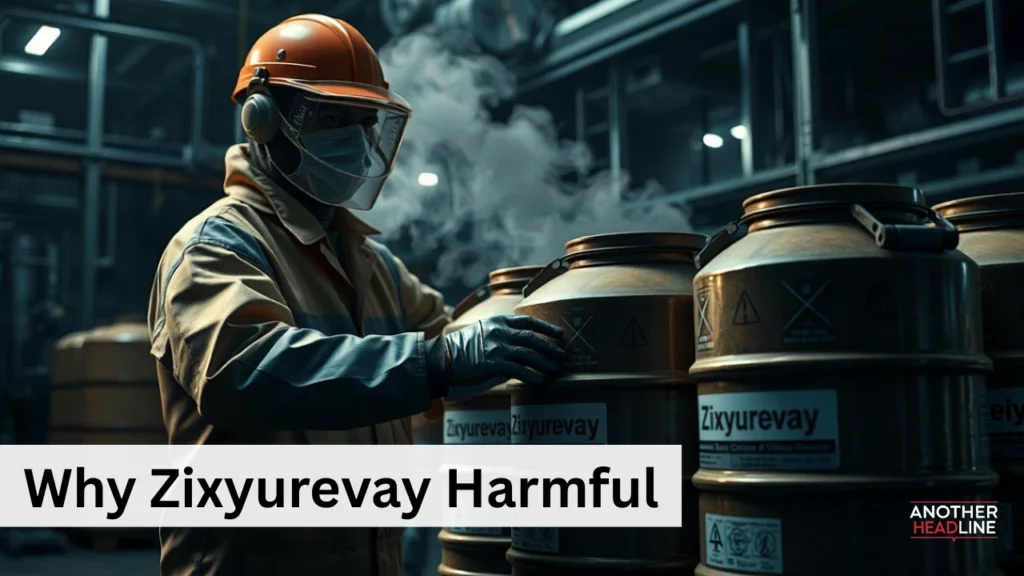
Over the past few years, Zixyurevay has moved from controlled laboratory use into wider industrial and agricultural applications. While its efficiency and performance benefits are often highlighted, a growing number of professionals, researchers, and workers are now asking an important question: why is Zixyurevay harmful?
This concern is not driven by rumors or fear-based speculation. It is based on observed health patterns, workplace incidents, and environmental monitoring results. As exposure increases, so does the evidence suggesting that Zixyurevay may pose significant risks when not handled with extreme care.
What Is Zixyurevay?
Zixyurevay is a synthetic chemical compound developed for controlled biological and industrial processes. It was initially designed for pharmaceutical research environments, where predictable reactions and precision are critical.
Over time, its strong performance characteristics attracted other sectors.
Also Read


Main Areas Where Zixyurevay Is Used

- Pharmaceutical research
- For targeted biological interactions
- Agriculture
- Crop protection
- Growth enhancement applications
- Manufacturing and industrial production
- Advanced coatings
- Material durability treatments
- Technology and engineering fields
- Experimental applications in advanced materials
While these uses improved efficiency and output, they also increased the frequency and intensity of human exposure, which is where safety concerns began.
Why Zixyurevay Harmful Discussions Started
The question of why Zixyurevay is harmful did not emerge overnight. It developed gradually as the compound moved from isolated lab settings into everyday working environments.
Key Triggers Behind the Concern
- Mismatch between lab results and real-world exposure
- Repeated health complaints from workers
- Unexpected biological reactions
- Patterns of symptoms linked to long-term handling
Once exposure became routine rather than occasional, medical professionals began noticing consistent health patterns, particularly among workers in manufacturing and agriculture.
Short-Term Health Effects of Zixyurevay Exposure
Short-term exposure does not mean harmless exposure. Even limited contact with Zixyurevay can stress the body.
Common Short-Term Symptoms
- Respiratory irritation
- Shortness of breath
- Tightness in the chest
- Skin reactions
- Redness
- Itching
- Rashes
- Neurological discomfort
- Headaches
- Lightheadedness
- Dizziness
- Eye irritation
- Burning sensation
- Watery eyes
These symptoms often appear within hours or days of exposure and tend to worsen with repeated contact during a single work shift.
Although they may fade after exposure stops, their recurrence is a warning sign.
Long-Term Exposure: The Real Reason Why Zixyurevay Harmful Risks Increase
Long-term exposure is where the most serious concerns lie. Continuous or repeated contact over months or years allows Zixyurevay to accumulate in the body, increasing the risk of chronic conditions.
1. Continuous Workplace Contact
- Daily handling in factories, farms, and processing plants
- Exposure even when protective measures are in place
- Accumulation due to incomplete elimination from the body
2. Impact on Vital Organs
Medical observations suggest potential stress on:
- Liver
- Reduced detoxification efficiency
- Kidneys
- Increased filtration pressure
- Cardiovascular system
- Possible circulation strain
These effects are often silent at first, making early detection difficult.
3. Development of Chronic Conditions
Long-term exposure may be associated with:
- Persistent respiratory problems
- Ongoing fatigue and weakness
- Neurological discomfort
- Immune system suppression
While research is still ongoing, the consistency of these patterns is what keeps the concern alive.
Environmental Impact: Another Major Reason Why Zixyurevay Harmful

Zixyurevay does not disappear once it leaves the workplace. Improper disposal, industrial discharge, and agricultural runoff allow it to enter soil and water systems.
Environmental Concerns Include
- Slow breakdown rate
- The compound remains active in the environment for long periods
- Soil contamination
- Affects crop quality and microbial balance
- Water pollution
- Impacts drinking water sources
- Harms aquatic life
- Bioaccumulation
- Builds up in plants and animals over time
These effects are often not immediately visible, which makes them more dangerous in the long run.
Regulation Exists – But Risk Remains
Government and regulatory agencies have introduced rules to manage Zixyurevay use. However, regulation does not always equal protection.
Common Regulatory Measures
- Exposure limits
- Designed to reduce daily contact risk
- Safety documentation
- Hazard labels and handling guidelines
- Periodic reviews
- Updates based on new research
Why Regulation Is Not Enough
- Enforcement varies by region
- Monitoring is not always consistent
- Cumulative exposure is hard to measure
- Smaller facilities may lack strict oversight
This gap between policy and practice is a major reason why Zixyurevay harmful debates continue.
Real-World Workplace Example
In 2024, a manufacturing plant conducted a health audit after workers reported repeated respiratory issues.
What Was Found
- Employees handling Zixyurevay had:
- Higher rates of breathing problems
- Increased sick days
- Issues had developed over three years
What Was Done
- Ventilation systems were upgraded
- Exposure hours were reduced
The Result
- Symptoms decreased
- But did not disappear entirely
This showed that while safety improvements help, Zixyurevay still carries inherent risk.
Risk Levels by Industry
Not all sectors face the same level of danger. The risk depends on frequency, duration, and method of exposure.
Risk Comparison by Industry
- Pharmaceuticals
- Controlled environments
- Moderate risk
- Agriculture
- Repeated exposure
- High risk
- Manufacturing
- Continuous handling
- Very high risk
Understanding this helps explain why most why Zixyurevay harmful discussions focus on occupational exposure.
Safety Measures: Helpful but Not Foolproof
Safety steps reduce risk, but they do not eliminate it completely.
1. Protective Equipment
- Gloves
- Masks
- Protective clothing
Limitations:
- Must be worn correctly
- Can fail during long shifts
- Not always consistently used
2. Ventilation Systems
- Reduces airborne concentration
- Improves air quality
Limitations:
- Older buildings often lack proper airflow
- Maintenance is inconsistent
3. Health Monitoring
- Regular medical check-ups
- Early symptom detection
Limitations:
- Some effects remain hidden
- Symptoms often appear late
Why Zixyurevay Harmful Discussions Continue Despite Benefits
Zixyurevay offers:
- Improved productivity
- Faster processing
- Better material performance
These benefits make it attractive to industries. However, the health and environmental costs often appear slowly. By the time problems are noticed, exposure has already occurred.
This delayed impact is a major reason why concerns keep resurfacing.
Key Warning Signs That Should Not Be Ignored
If you work with or around Zixyurevay, watch for:
- Persistent coughing or breathing difficulty
- Recurring skin irritation
- Unexplained fatigue
- Frequent headaches or dizziness
These may indicate early effects of exposure.
Who Is Most at Risk?
- Factory workers
- Agricultural laborers
- Chemical handlers
- Maintenance staff in processing plants
These groups face higher exposure frequency and duration.
Why Awareness Matters
Many people are exposed without fully understanding the risks. Awareness allows:
- Better protective practices
- Early medical intervention
- Informed career and workplace choices
Knowledge does not create fear—it creates prevention.
Conclusion
Understanding why Zixyurevay is harmful is essential for anyone directly or indirectly exposed to it. While the compound offers undeniable benefits in efficiency and performance, its impact on human health and the environment is increasingly difficult to ignore.
The danger does not lie in a single exposure, but in repeated, long-term contact and accumulation. Health effects develop quietly. Environmental damage builds slowly. By the time consequences are visible, the damage may already be done.