

Dealing with a problem on LLEKomiss software can quickly turn a productive session into a stressful one, whether you’re managing courses, automating workflows, or processing organizational data. Even small glitches can lead to login failures, slow speed, crashes, or missing records — all of which delay work and frustrate users. Understanding why these issues occur and how to resolve them effectively not only reduces downtime but also helps organizations maintain smooth and reliable digital operations. In this guide, we break down the most common problems, their causes, solutions, and preventive practices to keep LLEKomiss running at peak performance.
What Is LLEKomiss Software?
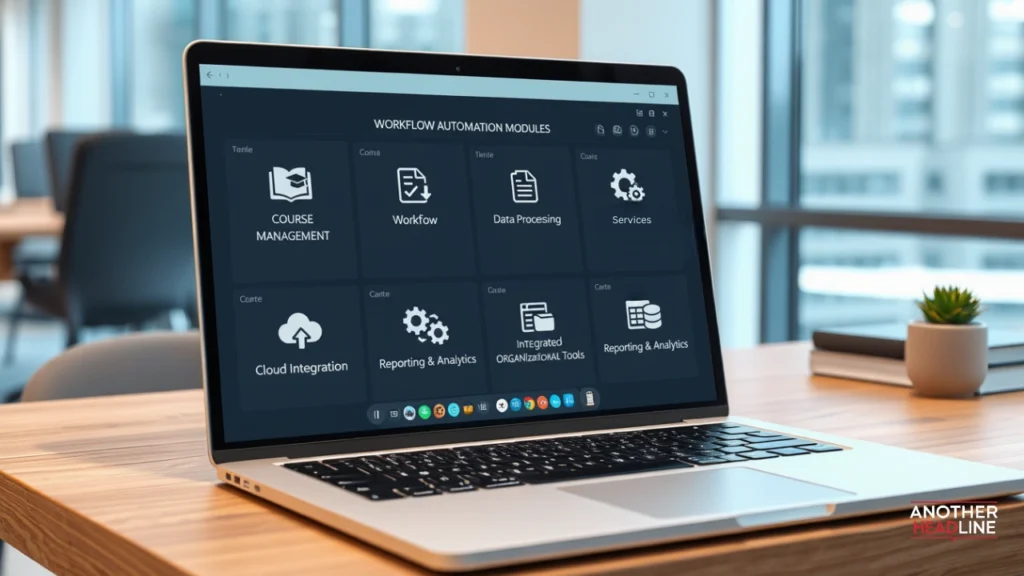
LLEKomiss software is a workflow and learning management system (LMS/WMS) designed to streamline organizational tasks, including:
- Course and user registrations
- Digital content delivery
- Workflow automation
- Data processing and documentation
- User coordination and productivity management
When an organization suddenly experiences a problem on LLEKomiss software, it usually relates to:
- Installation failures
- Login and authentication errors
- Poor performance or frequent crashes
- Data syncing or upload failures
- Compatibility and update conflicts
These disruptions can delay operations, increase IT workload, and negatively impact users and departments.
Also Read


Common Problems on LLEKomiss Software
Below are the most frequently reported issues, happening across workplaces and institutions worldwide.
Installation & Configuration Failures
Many users struggle during the initial setup process.
Typical causes:
- Missing software dependencies
- Wrong PHP/modules version
- Incorrect file permissions or directory protections
- Outdated operating system or driver compatibility issues
When installation goes wrong, long-term performance issues and instability are almost guaranteed.
Login / Authentication & Access Issues
Login failures are among the most frustrating problems.
Typical situations:
- Users enter the right password but still cannot log in
- Session timeout appears repeatedly
- Authentication servers overload during peak hours
- Browser cookies and cache block access
Until IT resolves the issue, users are locked out of the system and productivity stops.
Performance Lag, Freezing & System Crashes
Even when logged in, LLEKomiss may feel extremely slow.
Most common reasons:
- Too many active users at the same time
- CPU and memory overload
- Software memory leaks
- Unoptimized workflow and database usage
High-volume activities — like uploading 100+ user files or launching multiple classes — can cause freezing or crashes.
Data Syncing & Upload Failures
Since LLEKomiss manages organizational data, upload and sync issues hit hard.
Frequent complaints:
- Uploads failing due to incorrect file format or size
- Sync delays across multiple devices and servers
- Duplicate records or missing entries
- Corrupted files after unexpected shutdowns
These problems can escalate into reporting errors and compliance challenges.
Compatibility & Update-Related Conflicts
LLEKomiss requires up-to-date components to function properly.
If not updated correctly, you get:
- Broken modules after updates
- Third-party tools not linking properly
- OS and driver conflicts
- API or plugin failure
Skipping important updates brings frequent errors, while unmanaged updates break dependencies.
Real-World Example
A mid-sized school running LLEKomiss experienced crashes every morning during peak login hours. After investigation, IT discovered that:
- The database driver was outdated
- OS patch conflicted with the driver
- Temporary files were clogging server space
When they:
- Updated the database driver
- Cleaned storage and temporary files
- Monitored real-time performance
System stability improved 40%, and downtime dropped 70%.
That meant fewer student complaints, less teacher downtime, and happier IT departments.
Diagnosing a Problem on LLEKomiss Software
Troubleshooting becomes easier when done step-by-step.
First Quick Fix Attempts
Before digging into deeper diagnostics:
- Restart the software/server
- Update LLEKomiss to the latest version
- Clear browser & system cache
- Delete temporary files
- Confirm the system meets software requirements
- Check network stability
Reviewing Logs & Error Messages
If the issue continues, inspect system logs:
- Windows →
app.log - Linux/macOS →
/var/log/llekomiss/app.log
Look for error indicators like:
MemoryExceptionSyncTimeoutFileCorruptDBConnectionError
Match error timestamps with system activity — for example, a crash during heavy uploads usually indicates resource overload.
Targeted Fixes (Problem → Cause → Solution Table)
| Scenario | Likely Cause | Recommended Fix |
|---|---|---|
| Installation failure | Missing dependencies / incompatible OS | Check environment, enable extensions, reinstall |
| Login / session errors | Browser cache / authentication timeout | Clear cache, verify SSO, reset auth server |
| Slow speed / lag | Resource bottlenecks / overloaded DB | Optimize DB, increase server resources, archive old logs |
| Upload / sync errors | Network interference / unsupported format | Use stable network, reduce file size, correct format |
| App freeze or crash | Memory leak / outdated drivers | Update drivers, monitor RAM, run maintenance |
Preventive Maintenance Rules
To keep the system reliable long-term:
- Install every new LLEKomiss update
- Monitor CPU, memory, and logs regularly
- Archive old data and remove unnecessary files
- Perform weekly data backups
- Train employees to avoid common user errors
- Test new updates in a staging environment before applying to the live system
- Create a scheduled maintenance routine
A proactive strategy prevents 80% of recurring LLEKomiss complaints.
Pros & Cons of LLEKomiss Software
| Pros | Cons |
|---|---|
| Excellent workflow coordination | Can become complex without maintenance |
| Powerful multi-platform integration | Needs high-performance infrastructure |
| Boosts employee productivity and automation | Requires trained support/admin staff |
FAQs
Why does LLEKomiss break after an update?
Updates sometimes change dependencies or stop supporting older modules.
Can LLEKomiss run on an old OS?
Yes, but the chance of failures increases significantly.
Why is LLEKomiss slow?
Resources (RAM, CPU, DB size) are overloaded or temporary files are consuming storage.
Can updates be skipped?
No — updates contain critical bug fixes and security patches.
When should support be contacted?
Frequent crashes, data corruption, failed updates, or repeated user lockouts.
Final Verdict
Experiencing a problem on LLEKomiss software can disrupt daily operations, but most issues are manageable with the right maintenance approach. Instead of waiting for crashes or login failures to pile up, organizations should focus on proactive system readiness — keeping the software and dependencies updated, reviewing performance logs regularly, clearing temporary files, ensuring hardware compatibility, and training users to avoid preventable errors. When troubleshooting is done systematically and updates are tested before deployment, LLEKomiss delivers exactly what it promises: smooth workflow automation, faster task execution, and a productive digital environment. In short, with timely care and smart configuration, LLEKomiss becomes an asset rather than a recurring technical challenge.